

In the soft glow of a new home’s first evening, when boxes still line the walls and dreams fill empty rooms, there exists a sacred moment. A friend arrives at the door, gift in hand, offering more than mere hospitality—they bring the promise of belonging. But what transforms a simple housewarming present into something treasured across generations? The answer lies not in price or trends, but in the delicate alchemy of craft, meaning, and light that creates true heirloom quality.

The weight of this moment—the crossing of a threshold into someone’s most intimate space—deserves acknowledgment that goes beyond social obligation. When we choose to mark a housewarming with intention, we participate in an ancient ritual of welcome that speaks to our deepest human needs for connection, safety, and belonging. The gifts we bring carry messages our hearts may struggle to articulate: may your walls hold laughter, may your rooms know peace, may your light never dim.
Yet in our age of abundance, where online algorithms suggest a thousand possibilities and same-day delivery makes last-minute choices effortless, the art of selecting a truly meaningful housewarming gift has become both more challenging and more precious. How do we cut through the noise of trending products and seasonal promotions to find something that honors both the giver’s affection and the recipient’s new beginning? How do we choose gifts that will still matter when the cardboard boxes are long forgotten and the new house has settled into the comfortable rhythms of home?
The secret lies in understanding that the most treasured gifts are never about the moment of giving alone. They are about all the moments that follow—the quiet Tuesday evenings when candlelight flickers against familiar walls, the holiday gatherings where cherished objects anchor memories, the someday conversations when grown children ask about the beautiful things their parents chose to keep. These are the gifts that transcend their material form to become vessels of story, carriers of love, markers of the moments that matter most.
The Sacred Tradition of Welcoming Home
Before we had house numbers and street addresses, before we had real estate contracts and closing dates, humans understood that creating home was a sacred act deserving of community celebration. The tradition of bringing gifts to mark new dwellings reaches back to our earliest recorded civilizations, woven into the fabric of cultures that understood shelter as more than protection from the elements—but as the foundation for all human flourishing.
Ancient Romans carried bread to new homes, symbolizing the sustenance that would nourish both body and relationships within those walls. Celtic traditions included salt, representing purification and protection from negative energies, ensuring the space would remain a sanctuary for all who entered. The offering of wine spoke to joy and celebration, while honey promised sweetness in the years to come. Perhaps most significantly, fire—carried as flame, candlelight, or oil for lamps—represented the vital spark that transforms empty structure into living home.
These weren’t arbitrary customs but sophisticated understanding of human psychology wrapped in ritual meaning. Traditional housewarming gifts and meanings demonstrate how our ancestors recognized that the act of creating home requires more than individual effort—it demands community witness, blessing, and support. The gifts served as tangible promises that the new residents wouldn’t face their future alone.

Modern housewarming etiquette has evolved but retained this essential wisdom. Emily Post’s etiquette guidelines establish that arrival within six months of someone’s move requires a meaningful offering—not from obligation but from recognition that creating home is worthy of celebration. This isn’t about keeping score of social debts but about participating in the fundamental human ritual of welcome and belonging.
The psychology behind these traditions runs deeper than social pleasantry. Research in environmental psychology shows that “warming” rituals—activities that help new residents form emotional attachments to their space—significantly impact both mental health and community integration. When we bring gifts that encourage people to settle in, light candles, arrange beautiful objects, and invite others to share their space, we’re actively supporting their psychological transition from visitors in their own home to confident hosts ready to create new memories.
Contemporary trends reflect this ancient wisdom through modern expression. Recent search data shows an 87% spike in queries for “personalized housewarming gifts,” indicating that today’s gift-givers instinctively understand what their ancestors knew: the most meaningful offerings are those that acknowledge the unique story of the people creating this new home. We’ve moved beyond generic bottle openers and generic throws toward gifts that honor individual taste, reflect personal values, and promise to grow more meaningful with time.
The housewarming gift etiquette guide reminds us that thoughtful gifting honors both the milestone achievement of establishing a home and the trust implied in being welcomed into intimate space. When someone invites us to see their new beginning, they’re offering vulnerability alongside hospitality. Our response—the care we take in selecting something meaningful, the attention we pay to their style and needs, the intention we bring to the offering—becomes part of the blessing we place upon their new chapter.
This understanding of tradition as living wisdom rather than rigid rule sets the foundation for recognizing what elevates certain gifts beyond momentary appreciation into lifelong treasures. The ancient symbols of bread, salt, and flame still resonate because they spoke to needs that transcend historical period: sustenance, protection, and the vital spark of life itself. Today’s most meaningful housewarming gifts succeed when they answer these same deep human longings through contemporary expression.
What Transforms Gifts Into Family Treasures
Not every gift becomes an heirloom. Walk through any family home and you’ll find evidence of this truth—some objects command prominent display while others retreat to closets, some stories get told and retold while others fade into forgotten history. What separates the treasured from the discarded isn’t price or even beauty alone, but a more complex alchemy involving memory, meaning, and the mysterious ways objects absorb the essence of the lives they witness.
Psychology of family heirlooms reveals that certain objects become “vessels of memory”—physical anchors that help families maintain connection across generations and geographic distance. These pieces transcend their original function to serve as storytelling prompts, identity markers, and bridges between past and future. The teacup that survived the journey from the old country, the watch that marked decades of faithful service, the quilt stitched with both thread and love—these objects carry weight that has nothing to do with material value and everything to do with emotional investment.
The process begins with emotional attachment formed through meaningful association. Gifts presented at significant moments—housewarmings, weddings, births, graduations—start with built-in emotional resonance. But transformation into heirloom status requires ongoing relationship development. The objects that become treasured are those that integrate into daily life, becoming part of the routines and rituals that define home. A beautiful vase becomes irreplaceable when it holds flowers from the garden on countless Sunday mornings. A set of candles transforms into family tradition when their lighting marks every celebration and provides comfort during difficult times.
Symbolism and identity connection play crucial roles in this transformation. Emotional value of inherited items demonstrates how objects that embody family values or personal milestones naturally carry deeper meaning than purely functional items. When a gift reflects understanding of the recipient’s core identity—their aesthetic preferences, spiritual beliefs, life philosophy, or cultural heritage—it becomes more than possession. It becomes affirmation of who they are and aspiration for who they hope to become.

The power of narrative cannot be understated in heirloom creation. Objects with rich backstories—who made them, why they were chosen, what occasions they’ve witnessed—naturally become more precious over time. This is why the story behind a gift often matters as much as the gift itself. When recipients understand the thought process that led to their selection, the research that went into finding the perfect artisan, or the personal meaning the giver attached to the choice, they become co-authors in the object’s ongoing narrative. Each use adds another chapter, each passing year deepens the story.
Research in psychology identifies this phenomenon as “spiritual contagion”—the belief that objects carry the essence of their previous owners and the experiences they’ve witnessed. While this might sound mystical, it reflects a very real aspect of human cognition. We invest meaning into objects through our interactions with them, and once that investment is made, the objects begin to hold that meaning for us. The chair where grandmother always sat becomes grandmother’s chair, carrying her presence even after her absence. The gift chosen with love becomes a daily reminder of that love, maintaining connection across distance and time.
Sentimental value research shows that personalized gifts are rated 37% more emotionally significant than identical non-personalized versions. This isn’t superficial customization but meaningful adaptation to the recipient’s unique story. The most successful heirloom gifts are those that feel specifically chosen rather than generally appropriate—pieces that could only belong to this person, in this home, at this moment in their journey.
The inheritance responsibility factor adds another layer to heirloom transformation. Objects that come with a sense of duty to preserve and pass down create stronger family bonds and more careful stewardship. When we understand that our care of certain objects will impact future generations, we develop deeper relationship with those pieces. They become not just our possessions but our responsibility—links in a chain of family story that we’re honored to maintain and excited to extend.
This understanding naturally leads us to recognize that certain qualities in gifts make them more likely to achieve treasured status: exceptional craftsmanship that improves with age, timeless design that transcends trends, symbolic meaning that deepens over time, and practical beauty that invites daily interaction. These qualities aren’t accidental—they reflect intentional choices by makers and givers who understand the difference between temporary pleasure and lasting value.
The Handcrafted Difference: When Human Touch Creates Lasting Value
In an age when algorithms predict our preferences and machines can replicate almost any design, the human touch has become more precious, not less. There’s something irreplaceable about objects shaped by individual hands, guided by personal vision, carrying the subtle imperfections that mark human creation. When we choose handcrafted gifts over mass-produced alternatives, we’re making a statement about what we value—uniqueness over uniformity, story over efficiency, the irreplaceable over the replaceable.
The psychology behind this preference runs deeper than aesthetic appreciation. Psychology of handmade gifts identifies the “effort heuristic”—our tendency to perceive greater value in things that require significant time and skill to create. When recipients understand that their gift represents hours of an artisan’s focused attention, they naturally invest more emotional significance in the object. It’s not just what was made for them, but what was made for them—time and talent dedicated to creating something that wouldn’t exist without their story as inspiration.
This perception of value extends beyond the moment of giving into the object’s entire lifespan. Mass-produced items carry the implicit assumption of replaceability—if broken, another identical piece can be ordered and delivered. Handcrafted objects carry the opposite assumption: if broken, something irreplaceable has been lost. This knowledge changes how we interact with these pieces, encouraging more careful handling, more thoughtful placement, more intentional relationship development.
The uniqueness factor plays a crucial role in heirloom potential. Handcrafted vs mass-produced value explains how slight variations and imperfections that mark human craftsmanship make each piece irreplaceable rather than interchangeable. The subtle asymmetry in a hand-thrown bowl, the tiny air bubbles in hand-blown glass, the slight color variations where glazes met in the kiln—these aren’t flaws but signatures. They’re proof that a real person, with their own vision and skill and momentary inspiration, created this specific object that has never existed before and will never exist again.

Authenticity connection forms another layer of handcrafted value. In a world where “authentic” has become a marketing buzzword applied to everything from chain restaurants to social media platforms, truly handmade objects offer genuine authenticity—the real thing in a landscape of imitation. When we choose artisan-made gifts, we’re connecting recipients to actual makers, real stories, authentic traditions that continue because people choose to support them with their purchasing decisions.
Supporting artisan communities adds ethical dimension that enhances the gift’s meaning for both giver and recipient. Supporting craftspeople reinforces how choosing handcrafted gifts creates positive impact that extends far beyond the individual transaction. When we purchase from makers, we’re supporting creative livelihoods, preserving traditional skills, and contributing to economic models that value human creativity over industrial efficiency. This knowledge becomes part of the gift’s story—every time the recipient enjoys their handcrafted piece, they’re reminded that their pleasure supports someone’s passion and sustains traditions worth preserving.
Quality and longevity provide practical foundation for heirloom potential. Traditional handcrafting techniques often create more durable items designed to last generations rather than seasons. Artisan gift meaning notes how makers who expect their work to outlive them approach their craft with different intention than manufacturers optimizing for quarterly profits. They choose materials for longevity, employ techniques refined across generations, and invest in details that will continue to please decades from now rather than just until the next trend cycle.
The intimate scale of artisan production allows for attention to detail impossible in mass manufacturing. When a glassblower shapes each piece individually, they can adjust technique in response to how the glass is behaving that particular day, how the light is hitting their workspace, how their own energy and skill are flowing. This responsiveness creates objects with subtle character variations that machine production cannot replicate. Each piece becomes a moment captured in glass, clay, wood, or metal—a record of human creativity responding to material possibility.
This craftsmanship creates objects worthy of the traditions they might someday inherit. When we choose handcrafted housewarming gifts, we’re offering recipients the opportunity to become stewards of something genuinely special—pieces that will age gracefully, that will tell stories of their making as well as their using, that will command respect from future generations who recognize quality when they see it. The handcrafted difference isn’t just about supporting makers or choosing unique objects—it’s about investing in the future memories these objects will help create.
Finding Gifts That Glow with Meaning: The Perfect Intersection of Beauty and Purpose
Light has been humanity’s first and most enduring symbol of home. From the earliest fires that gathered our ancestors in safety to the candles we still light for celebration and comfort, illumination represents more than visibility—it embodies warmth, welcome, and the vital energy that transforms empty space into sacred place. When we choose gifts that bring light into new homes, we’re participating in traditions as old as human shelter itself, offering symbols that speak to universal longings for safety, beauty, and belonging.
The timeless appeal of light as welcome crosses every cultural boundary and historical period. Ancient civilizations honored household gods with oil lamps, medieval communities marked special occasions with candlelit processions, and modern families still gather around birthday candles and holiday lights. This consistency across time and culture isn’t coincidence—it reflects deep human understanding that light represents life itself, the spark that animates both individual existence and communal celebration.
In the realm of housewarming gifts, objects that bring light carry special significance because they serve both practical and symbolic functions. A beautiful candle holder doesn’t just provide illumination—it creates atmosphere, marks special occasions, and offers daily opportunity for ritual and reflection. When recipients light their gifts, they activate not just wick and flame but memory and meaning. The simple act of striking a match becomes momentary meditation, brief pause in busy life to appreciate beauty and remember thoughtfulness.
Hand-blown glass represents a perfect marriage of functional beauty and artistic expression that actually improves with age. Unlike manufactured items that show wear through deterioration, quality glasswork develops character through use. The slight deposits that accumulate from countless candle lightings, the way repeated washing creates subtle surface changes, the manner in which light begins to play differently through glass that has witnessed months and years of flame—these changes enhance rather than diminish the object’s appeal.
Heirloom quality handblown glass explains how traditional glassblowing techniques create pieces designed to last generations while maintaining their beauty. The thick walls that provide stability, the carefully annealed base that resists cracking, the rim finishing that ensures smooth interaction—these technical elements support aesthetic choices that will please recipients today and their grandchildren someday. When artisans work with generational thinking rather than seasonal trends, they create objects worthy of the investment in meaning they’re likely to receive.
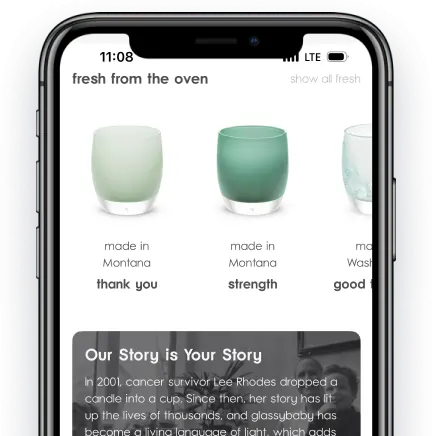
The significance of naming and storytelling becomes particularly relevant when choosing light-bringing gifts. Each hand-blown piece carries its own narrative potential—the story of its making, the inspiration behind its form, the intention woven into its creation. Artisan glass craftsmanship showcases how individual makers bring their own vision to each piece, creating objects that feel personal rather than generic, chosen rather than assigned.

Daily ritual integration creates the foundation for emotional attachment that transforms gifts into treasures. Objects that become part of regular home practices develop deeper meaning through accumulated use. A votive that’s lit every Sunday for family dinner, candles that mark the transition from work day to evening rest, pieces that provide comfort lighting during stressed or sad moments—these functional integrations create emotional investment that grows stronger over time rather than weaker.
Color psychology and personal expression offer another layer of meaningful selection. The hues we choose to live with reflect and influence our emotional states, our energy levels, our sense of self-expression. When we select light-bringing gifts in colors that resonate with recipients’ personalities and preferences, we’re offering not just illumination but affirmation. The warm amber that speaks to earth-lovers, the cool blues that calm anxious minds, the vibrant greens that energize nature-seekers—thoughtful color choice shows understanding of who the recipients are and who they’re becoming in their new space.
The Pacific Northwest tradition of artisan glasswork adds another dimension of meaning for those who appreciate connection to place and sustainable living. Best housewarming gifts 2025 validates glassware as a trending choice among sophisticated gift-givers who understand that supporting regional makers and sustainable practices adds ethical weight to aesthetic choices. When we choose pieces created by local artisans using traditional techniques and quality materials, we’re offering gifts that connect recipients to community, craftsmanship, and environmental consciousness.
The perfect intersection of beauty and purpose emerges when gifts serve multiple levels of human need simultaneously. Light-bringing gifts meet practical illumination needs while satisfying aesthetic desires, supporting daily rituals while marking special occasions, providing personal pleasure while creating opportunities for sharing with others. This multidimensional functionality ensures that recipients will find multiple reasons to treasure and use their gifts, developing the kind of ongoing relationship that transforms objects into heirlooms.
When we understand gifts that glow with meaning as more than decorative objects but as tools for creating the atmosphere of home, we begin to see why they carry such potential for becoming family treasures. They don’t just sit on shelves waiting for special occasions—they participate in the daily creation of warmth, beauty, and welcome that defines what home means.
The Art of Meaningful Presentation: Gifting Rituals That Honor the Moment
The way we present gifts speaks as loudly as the gifts themselves. In the delicate choreography of housewarming celebrations, timing, wrapping, and presentation style all contribute to the emotional impact of our offerings. When we approach gift presentation as an art form that honors both giver and recipient, we transform simple transactions into meaningful exchanges that enhance the significance of both the gift and the gathering.
Timing considerations begin with understanding the emotional landscape of new homeowners. Gift presentation etiquette establishes that the golden window for housewarming gifts extends through the first six months of residency, but the most impactful timing often depends on reading the specific situation rather than following rigid rules. Arriving too early, when moving chaos still dominates, means your gift might get lost in the shuffle of unpacking. Waiting too long risks the impression that you forgot or deemed their milestone unworthy of acknowledgment.
The ideal moment often emerges when new homeowners have progressed beyond survival mode into creation mode—when they’ve moved from simply needing shelter to actively building the atmosphere they want to live within. This transition manifests in small details: when moving boxes give way to intentional furniture arrangement, when lighting shifts from harsh overhead necessities to warm ambient choices, when conversations move from logistics to dreams. Arriving during this phase with a thoughtfully chosen gift feels less like obligation and more like collaboration in their vision.
Presentation techniques that honor both giver and recipient reject the extremes of both overwrapping and underwrapping. Housewarming traditions offers guidance on thoughtful presentation that emphasizes the gift’s contents rather than concealing them under layers of distraction. Simple, elegant wrapping allows the gift to shine while showing that care was taken in preparation. Natural materials like kraft paper, linen ribbons, or simple twine often feel more appropriate than flashy bows or busy patterns that compete with the gift itself for attention.
The power of accompanying cards or notes that tell the story behind the gift choice cannot be overstated. When recipients understand not just what they’ve received but why it was chosen specifically for them, the meaning multiplies exponentially. A brief explanation of what drew you to this particular piece, why you thought it would suit their new space, or how you hope they might use it in their daily lives transforms anonymous object into personal offering. These narratives become part of the gift’s permanent story, often preserved and retold across years.

Creating moment awareness requires sensitivity to the social dynamics of housewarming gatherings. The most meaningful gift presentations happen during natural pauses that allow for appreciation rather than distraction—moments when conversation lulls, when other activities wind down, or when hosts have opportunity to focus fully on the exchange. Forcing gift presentation during peak party energy or demanding center stage during intimate conversations shows poor reading of social cues and diminishes the experience for everyone involved.
The art lies in finding windows when your presentation enhances rather than interrupts the gathering’s flow. Sometimes this means offering gifts upon arrival, allowing them to become part of the evening’s decoration and conversation. Other times it means waiting until departure, creating a thoughtful conclusion to the celebration. The key is paying attention to the energy in the room and the hosts’ stress level, choosing timing that adds joy rather than obligation to their experience.
Grouping complementary items creates complete experiences rather than isolated offerings. A beautiful votive paired with quality matches and care instructions becomes a ready-to-use gift that recipients can activate immediately. Including background information about the artisan or crafting process adds educational dimension that many recipients treasure as much as the object itself. Small touches like selecting matches that complement the piece’s aesthetic or choosing storage boxes that recipients will want to keep show attention to the entire gift experience.
Cultural sensitivity becomes particularly important in our increasingly diverse communities. Different traditions around gift presentation, timing, and acceptance require respectful navigation. Some cultures expect gifts to be opened immediately with enthusiastic display, while others prefer private opening to avoid embarrassment if the response seems insufficient. Understanding or respectfully asking about these preferences shows cultural competence that enhances rather than complicates the gift-giving experience.
The most successful presentations feel effortless while actually requiring significant behind-the-scenes consideration. They account for the hosts’ stress level, the gathering’s energy, the other guests’ comfort, and the gift’s specific requirements for optimal impact. When all these elements align, gift presentation becomes a grace note in the larger symphony of welcome and celebration that defines meaningful housewarming gatherings.
This attention to presentation honors the reality that how we give often matters as much as what we give. The care taken in timing, wrapping, and presenting gifts communicates respect for both the recipients and the milestone being celebrated. When we approach gift presentation as ritual rather than routine, we contribute to the sacred dimension of home creation that transforms ordinary objects into treasured memories.
Building Light: How Single Gifts Become Cherished Collections
The most extraordinary aspect of thoughtfully chosen housewarming gifts lies not in their immediate impact but in their potential for multiplication and evolution. A single meaningful piece often becomes the first note in a symphony of collecting that spans decades, marking milestones and creating traditions that define family culture across generations. Understanding this potential transforms how we think about gift selection—we’re not just choosing objects but planting seeds for ongoing joy and connection.
Psychology of collecting meaningful objects reveals that humans naturally seek to create coherent collections of objects that reflect their identity and values. When a single piece resonates deeply—through beauty, meaning, or integration into daily life—it often invites companions. The process rarely involves conscious decision to “start a collection” but rather organic recognition that certain types of objects enhance life in ways worth expanding and exploring.
This psychological tendency toward collection building creates unique opportunity for housewarming gift givers. When we choose pieces that embody excellent design, superior craftsmanship, and meaningful symbolism, we’re often selecting inaugural pieces for collections that will bring decades of pleasure. The hand-blown votive that graces the first housewarming may eventually be joined by companions in different colors, sizes, and seasonal variations, creating displays that evolve with the family’s changing tastes and growing confidence in their aesthetic preferences.
The psychology of collecting also explains why certain objects become emotionally significant while others remain merely functional. Objects that invite curation and arrangement—pieces that look better in groupings, that create visual conversations with each other, that tell stories through their relationships—naturally develop stronger emotional resonance than standalone items. When recipients find themselves seeking additional pieces to complement their original gift, they’re actively participating in meaning creation rather than passive consumption.
Milestone marking provides the practical framework for collection building over time. Building gift traditions reinforces how families often use additional pieces to commemorate anniversaries, holidays, achievements, and new beginnings. The first anniversary of moving might call for a second votive in a complementary color. The birth of a child could inspire a piece in soft, nurturing hues. Holiday celebrations might introduce seasonal colors that expand the collection’s versatility throughout the year.
This milestone integration creates emotional archaeology—layers of meaning that accumulate over time as each piece carries its own story within the larger collection narrative. Years later, family members can look at their assembled pieces and read their own history: the warm amber from their first winter in the new house, the deep blue from the year they traveled to the coast, the soft green from the spring when the garden finally bloomed. Each addition becomes both aesthetic choice and memory marker, creating collections that function as three-dimensional family albums.
INSERT IMAGE HERE: Multi-generational family scene showing grandmother, mother, and child arranging glassybaby votives together during a holiday preparation, demonstrating tradition passing through generations
Color stories and seasonal evolution add another dimension to collection development. Thoughtful recipients often discover that their collecting preferences shift and mature alongside their life experiences and growing design confidence. The safe, neutral colors chosen for early additions might give way to bolder, more personal selections as comfort with color and commitment to self-expression develop. This evolution creates collections with visual depth and personal history, pieces that represent different chapters of growth and self-discovery.
Seasonal rotation allows collections to maintain freshness and relevance year-round. Spring collections might emphasize fresh greens and soft yellows, summer arrangements could feature ocean blues and sunset oranges, autumn displays might showcase warm ambers and deep reds, while winter groupings could highlight rich purples and pristine whites. This seasonal approach ensures that collections remain active participants in home decoration rather than static displays, creating ongoing opportunities for arrangement, appreciation, and connection.
The gift that keeps giving phenomenon emerges as initial recipients become advocates who share the tradition with others. When people fall in love with beautifully crafted objects that enhance their daily lives, they naturally want to share that pleasure with friends and family. Original housewarming recipients often become enthusiastic gift-givers themselves, introducing others to the joy of collecting meaningful pieces while extending the community of people who appreciate exceptional craftsmanship and thoughtful design.
This multiplication creates network effects where quality artisan work reaches broader audiences through personal recommendation rather than advertising. When recipients rave about their gifts to dinner party guests, share photos of their growing collections on social media, or bring similar pieces to other housewarmings, they’re creating authentic advocacy that money can’t buy. Their enthusiasm becomes the most powerful marketing tool for artisan makers and the most credible recommendation for future gift buyers.
Passing down collecting traditions teaches children to appreciate and care for beautiful objects while providing concrete connection to family history and values. Children who grow up with collections of meaningful objects learn early that homes can be filled with pieces that combine beauty with purpose, that objects can carry stories, and that choosing quality over quantity creates more lasting satisfaction than accumulating disposable items.
This educational dimension extends beyond aesthetic appreciation into lessons about craftsmanship, tradition, sustainability, and the importance of supporting makers who create objects designed to last. Children who understand how their family’s collection developed, who hear stories about individual pieces and their significance, often become thoughtful curators themselves, carrying forward traditions of meaningful collecting into their own adult lives.
The investment in joy that collections represent goes far beyond financial calculation to encompass ongoing returns in daily pleasure, conversation opportunities, and family connection. Unlike investments measured in market returns, collections of meaningful objects provide dividends in the form of daily interaction, seasonal decoration opportunities, and social sharing that enriches both family life and community connection.
Understanding how single gifts can evolve into cherished collections helps us recognize the full potential of our housewarming offerings. We’re not just giving objects but introducing possibilities, not just marking a moment but potentially initiating traditions that will bring joy across decades and generations.
Welcoming Light: The Legacy of Thoughtful Giving
every home begins with light—
the first switch flipped in empty rooms,
the first candle lit on moving night,
the first glow that whispers “welcome.”
When you choose a housewarming gift that honors craft, carries meaning, and holds the potential for generations of stories, you offer more than a present. You become part of the light that makes a house become home. In the gentle flicker of hand-blown glass, in the warmth of artisan care, in the promise of daily rituals yet to come, the perfect gift glows with one of a kindness—transforming ordinary moments into cherished memories, and simple offerings into family treasures.
The homes we make are never really finished. They grow with laughter and tears, celebrations and quiet Tuesday evenings, evolving as we do. The most meaningful gifts grow alongside these changes, becoming more precious rather than less relevant as years accumulate and stories deepen. When we understand this potential for evolution and meaning multiplication, our gift choices shift from satisfying immediate needs to supporting long-term joy creation.
The perfect housewarming gift transcends its material form to become participant in the ongoing story of home creation. It bears witness to daily routines and special celebrations, provides comfort during difficult periods and enhancement during joyful ones. Years from now, when recipients light their candles for quiet dinner or holiday gathering, they’ll remember not just the gift but the giver—the friend who understood that creating home deserves beautiful tools, that daily rituals benefit from meaningful objects, that love expresses itself through thoughtful attention to what brings lasting pleasure.
This is the legacy of thoughtful giving: not the momentary appreciation of unwrapping but the accumulated gratitude of countless uses, the deepening satisfaction of objects that improve with age, the quiet joy of possessing something genuinely special in a world increasingly filled with the ordinary and disposable. When we choose gifts with this long view—considering not just immediate impact but lifelong potential—we participate in the ancient tradition of blessing new beginnings with offerings worthy of the dreams they shelter.
The choices we make today become the stories told tomorrow. The care we take in selection, the thought we invest in presentation, the love we express through quality and meaning—these elements combine to create gifts that fulfill their highest potential, becoming not just objects but vessels of connection that maintain relationships across distance and time.
Choose gifts that can grow with their recipients, that will catch different light as seasons change, that will witness first steps and graduation parties, that will someday be gently placed in younger hands with stories of how they first arrived. In this way, our houswarming offerings become part of the foundation upon which new families build their traditions, create their rituals, and express their values to the generations they’re raising.
Let the light shine, and let it multiply. In the end, the most meaningful gifts are those that help their recipients create more light in the world—through beautiful homes that welcome others, through daily practices that honor beauty and meaning, through collections that inspire conversation and connection. When we give with this intention, our offerings become part of something much larger than individual transaction: they become part of the ongoing human project of creating homes that nurture, communities that support, and traditions that sustain us across the generations.
The perfect housewarming gift glows with the promise of all the light it will help create: in quiet moments of personal reflection, in gathered celebrations of community joy, in the gentle passing of beauty and meaning from one generation to the next. This is how simple objects become family treasures—not through price or prestige, but through their ability to participate meaningfully in the endless, precious work of making home.
discover housewarming gifts that glow with meaning
explore glassybaby’s collection of hand-blown votives, each one unique, each one ready to begin its journey from gift to heirloom. find colors that speak to your heart and homes that welcome your light.
[shop housewarming collection] [learn about glassblowing] [find your color story]

Leave a comment
This site is protected by hCaptcha and the hCaptcha Privacy Policy and Terms of Service apply.